Planning long routes with rest stops and ferries
A long delivery feels calmer when you know roughly how it will unfold. This guide covers reading the map, timing fuel and rest stops, and using ferry crossings to break up the journey.
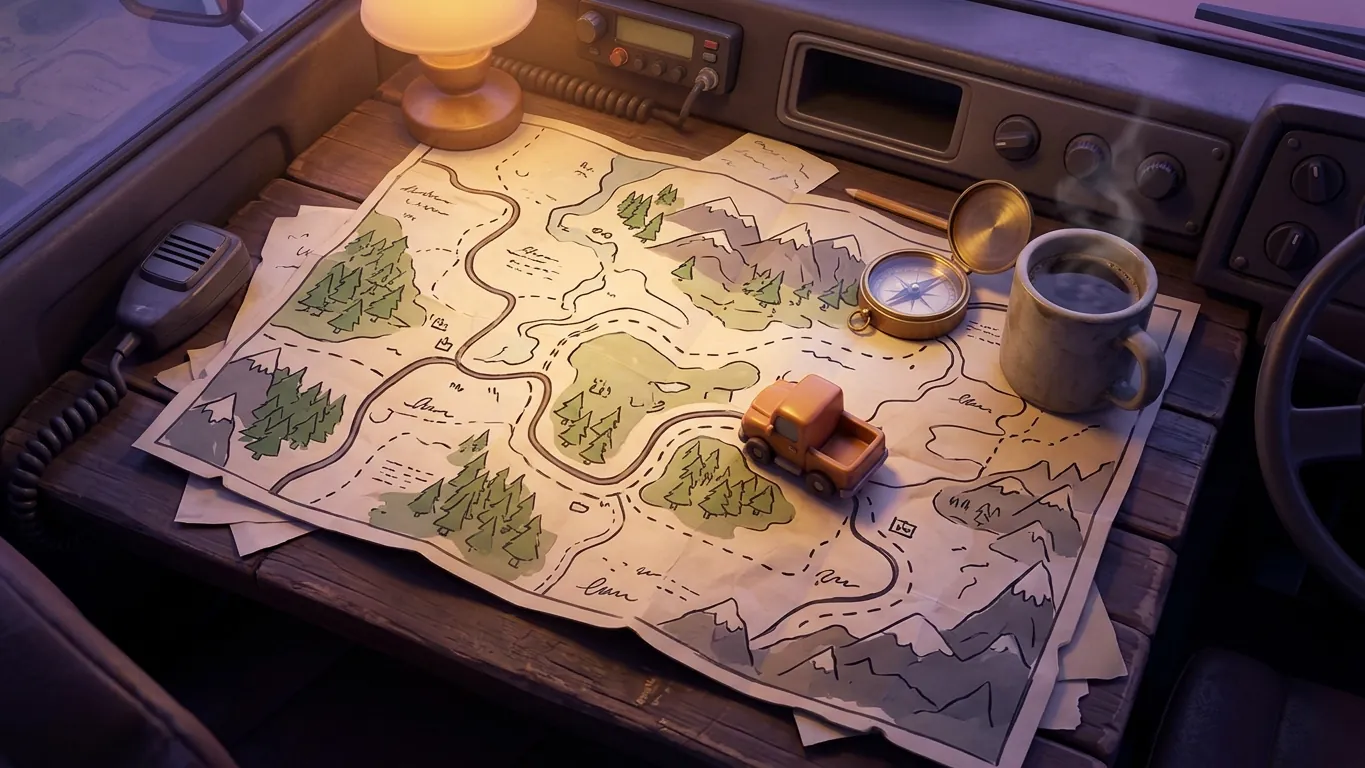
Why plan at all
For short jobs, simply following the route advisor works well. For long deliveries that cross several countries, a little planning makes the difference between a pleasant evening and a stressful race against the clock. Knowing roughly where you will refuel, rest and perhaps take a ferry lets you relax into the drive instead of reacting to every warning.
Planning does not need to be detailed. A few minutes looking at the map before departure is usually enough to spot long motorway sections, mountain areas, ferry ports and large cities where traffic may be heavier.
Reading the map with intent
When you open the map, look first at the overall shape of the route. Does it follow major motorways, or does it switch to regional roads partway? Are there long climbs or passes? Does it cross water?
The game lets you set your preferred routing in the settings and add waypoints to adjust the route. If the suggested path runs through a city centre you would rather avoid, or misses a coastline you would like to see, add a waypoint and compare the result. Check the estimated distance and remaining time so your changes still fit comfortably within the delivery deadline.
Fuel, fatigue and natural break points
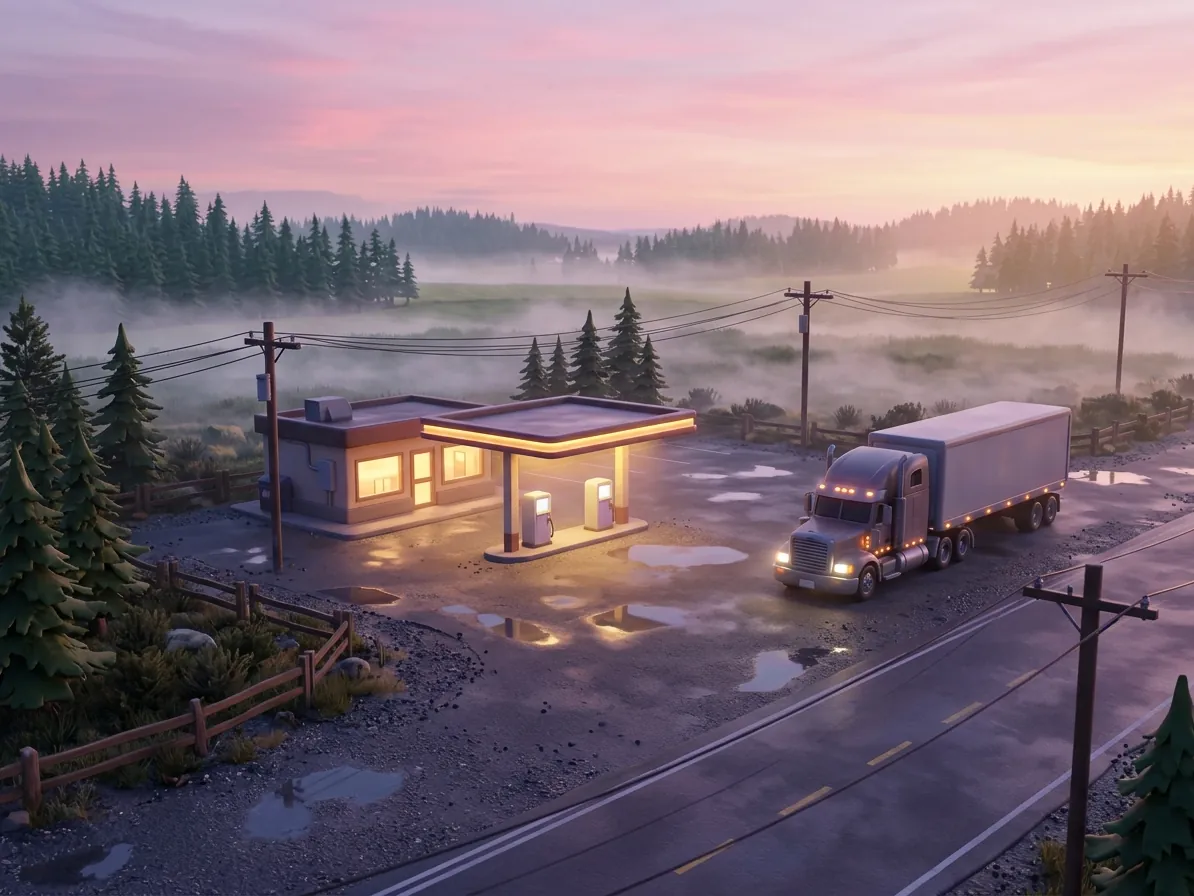
Long trips require fuel stops and, unless you have switched the feature off, rest stops for your driver. Rather than waiting for warnings, choose natural break points in advance. A fuel station just before a mountain section or a rest area near a border crossing makes a sensible place to pause.
Timing rest stops can also shape the mood of the journey. Sleeping at a rest area in the evening and continuing at dawn gives a completely different atmosphere to the second half of the drive. Some players enjoy planning routes so that they cross a particularly beautiful region at sunrise or sunset, using sleep stops to adjust the timing.
Ferries and crossings
Where the map includes ferry or train crossings, the route advisor may include them automatically. Driving into a port, parking at the boarding point and letting the crossing carry you onward is a pleasant way to break a long trip. In the game, the crossing passes in a moment, but the change of scenery on arrival can feel like starting a new chapter.
Crossings are not always the fastest option, and sometimes a land route makes more sense. Compare both on the map if you have the choice. For relaxed play, the crossing often wins simply because it adds variety and a natural pause.
A five-minute plan before departure
This quick routine fits into the moment before you set off.
- 01
Check distance and deadline
Note how long the route is and how much time the job allows.
- 02
Scan the terrain
Look for mountains, large cities and water crossings along the way.
- 03
Choose fuel points
Pick one or two likely fuel stations before you need them.
- 04
Mark a rest area
Decide roughly where you would like your driver to sleep.
- 05
Adjust for scenery
Add a waypoint if a more pleasant road fits the schedule.
Related articles
 Looking after your truck and enjoying the workshop
How to look after your truck in Euro Truck Simulator 2: avoiding damage, repairs, sensible workshop upgrades, paint choices and garage life.
Read more
 The long road after fishing
A reflective piece on why Euro Truck Simulator 2 feels like the slow drive home after a day of fishing, and how to bring that calm to your runs.
Read more
 Your first calm evening run
A gentle beginner's guide to a relaxed first evening run in Euro Truck Simulator 2: choosing a short job, settling in and driving with patience.
Read more