Visibility from the seat
Sit in the interior view and look left, right and through the mirrors before committing.
Your truck shapes every evening you spend on the road. This guide looks at engine power, gearboxes and cab size from the perspective of a player who values comfort and calm over speed.
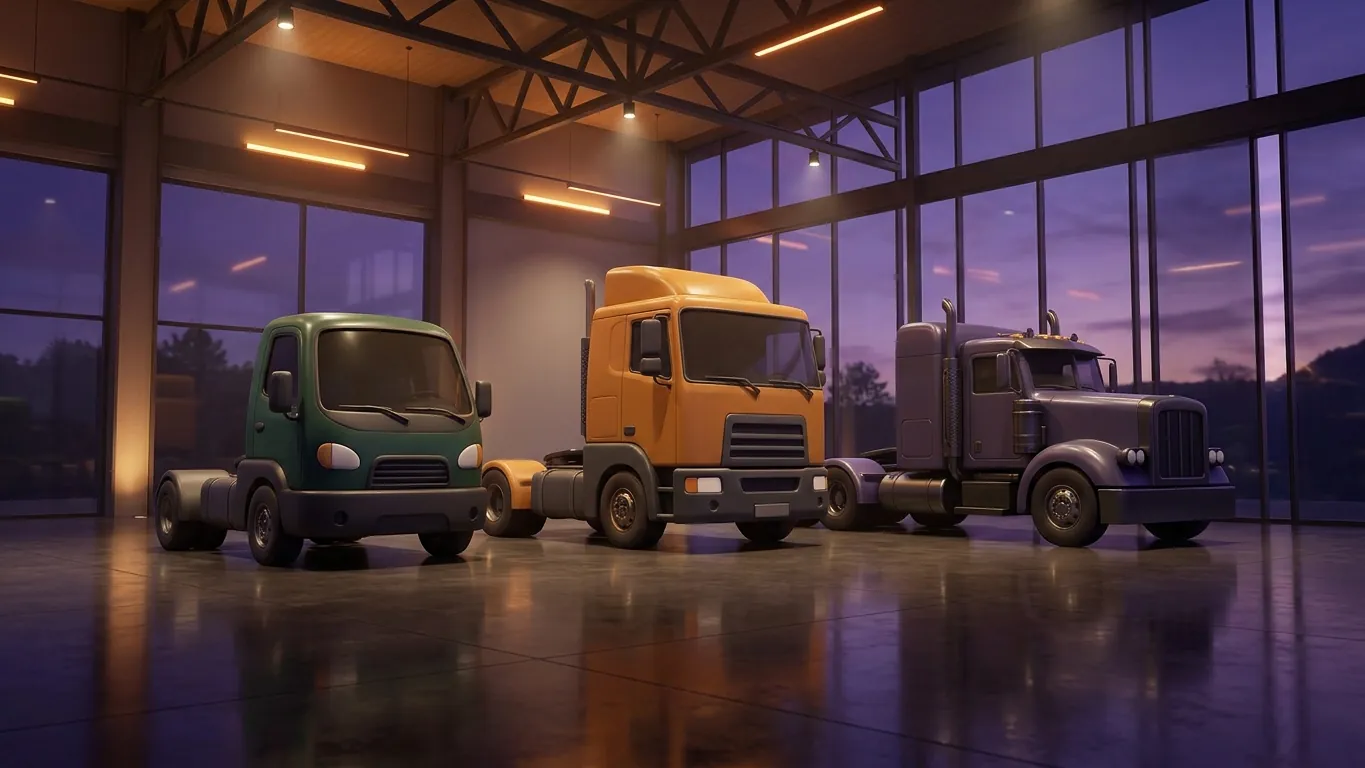
Before browsing dealers, think about the kind of evenings you enjoy. Do you prefer long motorway stretches where the truck simply hums along, or winding regional roads with plenty of corners and climbs? Do you take heavy cargo regularly, or mostly standard loads? A truck that suits fast, demanding work can feel unnecessary for someone who mainly drives medium loads through scenic countryside.
In Euro Truck Simulator 2 you begin as a hired driver using company trucks, which is a useful time to notice what you like and dislike. Pay attention to cab visibility, how the engine sounds at cruising speed and how the truck handles on hills. Those impressions are worth more than any spec sheet when it comes to your own purchase.
More horsepower helps on steep climbs and with heavy trailers, but it is not automatically better for relaxed driving. A powerful engine makes it easy to reach the speed limit quickly and can tempt you to drive harder than you intend. A moderate engine paired with sensible gearing can feel smoother and more deliberate, which suits the road diary mood.
That said, an underpowered truck on a long mountain climb with a heavy load can become tiresome. A balanced middle option is usually the most comfortable choice for players who take a variety of jobs. If you mostly haul light or standard cargo, you can lean toward economy. If you love mountain routes, lean toward a bit more torque.
The game lets you choose between automatic, sequential and manual shifting in the settings, while the transmission fitted to your truck determines how many gears are available. For many players, an automatic setup keeps attention on the road and the view, which is ideal for evening sessions.
If you enjoy the mechanical feel of driving, sequential or manual shifting with a wheel and shifter adds involvement. Transmissions with more gears offer finer control on hills but require more shifting. Some gearboxes include a retarder, and pairing a retarder with the engine brake makes long descents noticeably calmer, because you rely less on the service brakes and the truck stays settled.
Cab choice is partly practical and partly about atmosphere. Larger cabs usually give a higher seating position and a more spacious interior view, which many players find pleasant on long journeys. Smaller cabs can feel more intimate and sometimes offer a different perspective on the road. Neither is objectively better.
Spend time in the interior camera at the dealer. Check whether the windscreen pillars block your view at junctions, whether the dashboard feels cluttered, and whether the mirrors sit where your eyes naturally go. A cab you enjoy sitting in will make every late drive feel more like coming home.
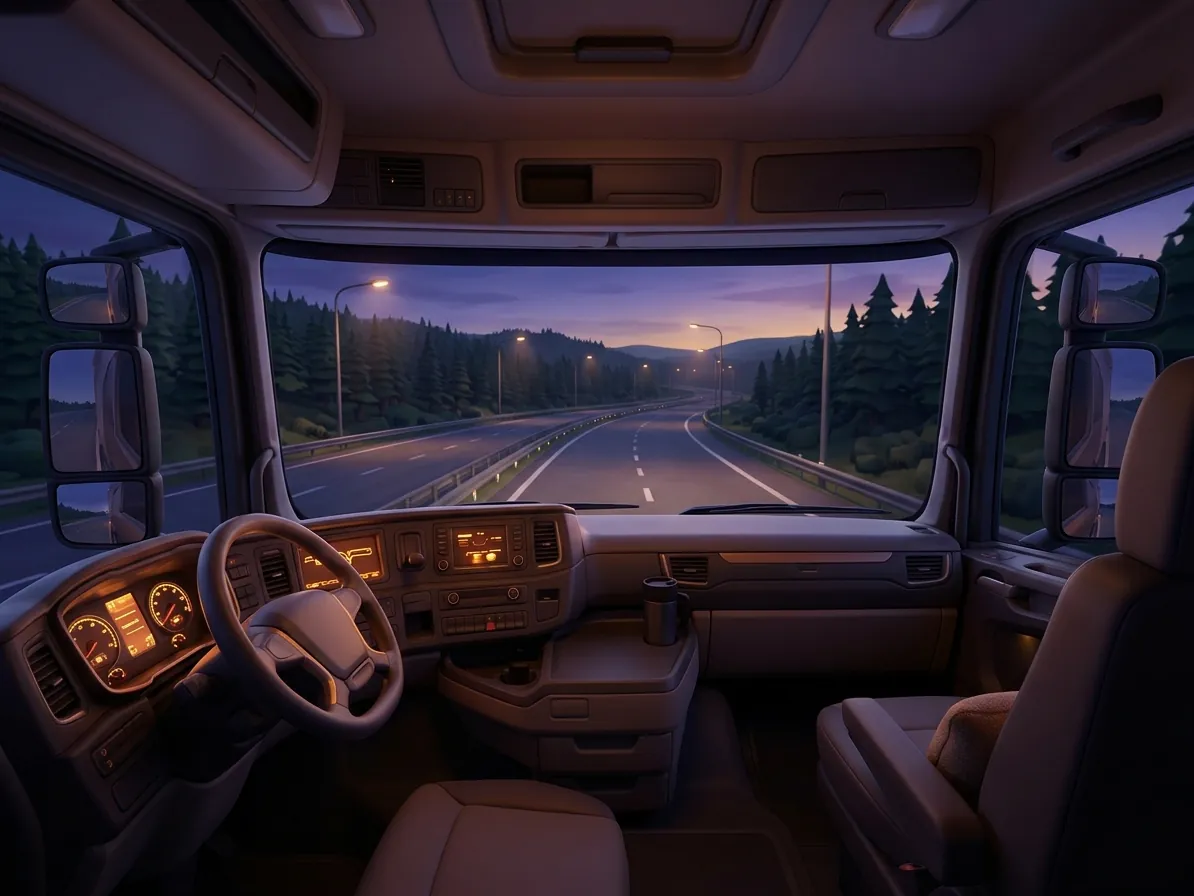
A short checklist helps turn a dealer visit into a calm, informed decision.
Sit in the interior view and look left, right and through the mirrors before committing.
Match power and transmission to the loads and terrain you usually drive.
Consider buying a sensible base and improving it in a workshop over time.
Leave enough money for fuel, repairs and unexpected fines after the purchase.
 Finding scenic roads worth driving slowly
How to find and enjoy scenic roads in Euro Truck Simulator 2: coastlines, mountain passes, forests and turning deliveries into gentle sightseeing.
Read more
 Setting up a cab that feels like home
Practical tips for a comfortable Euro Truck Simulator 2 setup: seat position, mirrors, controls for keyboard, gamepad or wheel, and sound settings.
Read more
 Driving through rain and night without stress
Calm, practical advice for night and rain driving in Euro Truck Simulator 2: lights, visibility, speed, spacing and when to stop for a rest.
Read more